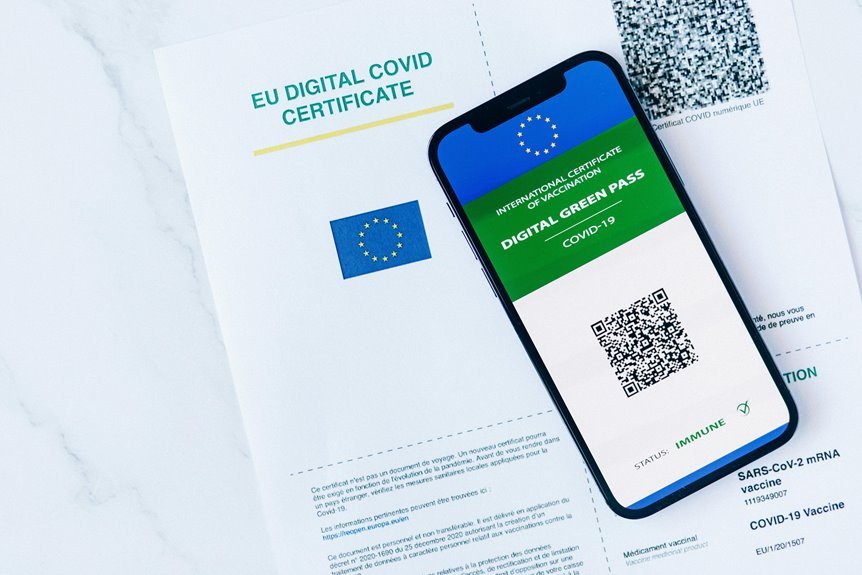
Verifying identity information, such as the numbers 3510455346, 3511960693, and others, is essential for maintaining security in transactions. Organizations must employ effective methods to authenticate these details. The risks associated with neglecting verification can lead to severe consequences, including financial loss. Understanding the best practices for identity verification is critical. However, many are unaware of the specific strategies that can effectively mitigate these risks. What are the most effective tools available?
Importance of Verifying Identity Numbers
The verification of identity numbers plays a crucial role in various sectors, including finance, healthcare, and security.
Implementing robust verification processes is essential to prevent identity theft, safeguarding personal information and ensuring the integrity of transactions.
Without effective verification, the risk of fraud increases, undermining trust in systems designed to protect individual freedoms and maintain security in a rapidly evolving digital landscape.
Methods and Tools for Verification
While various methods and tools exist for verifying identity information, their effectiveness largely hinges on the context in which they are applied.
Biometric verification, utilizing fingerprints or facial recognition, provides a robust layer of security.
Meanwhile, document authentication methods, such as holograms and QR codes, enhance the credibility of identity documents.
Together, these techniques form a comprehensive strategy for ensuring identity accuracy and trustworthiness.
Risks of Failing to Verify Identity Information
Failing to verify identity information can lead to significant security vulnerabilities and financial losses.
Without proper verification, individuals and organizations become susceptible to identity theft and data breaches. These risks can result in unauthorized access to sensitive information, compromised accounts, and substantial financial repercussions.
Ensuring thorough identity verification is essential for mitigating these threats and safeguarding personal and organizational assets against malicious actors.
Best Practices for Protecting Against Fraud
Effective measures for protecting against fraud are imperative in light of the risks associated with inadequate identity verification.
Implementing multi-factor authentication, regularly monitoring financial accounts, and educating individuals about identity theft are essential strategies for fraud prevention.
Additionally, utilizing secure channels for personal information transmission can significantly mitigate risks, empowering individuals to maintain control over their identities while enhancing overall security against fraudulent activities.
Conclusion
In the ever-evolving landscape of digital interactions, ensuring the authenticity of identity information is paramount. Employing advanced verification techniques not only fortifies security but also cultivates a sense of trust and confidence among users. By embracing best practices and remaining vigilant against potential pitfalls, organizations can gracefully navigate the complexities of identity verification. Ultimately, a proactive approach to safeguarding identity details can transform challenges into opportunities for enhanced security and peace of mind in transactions.