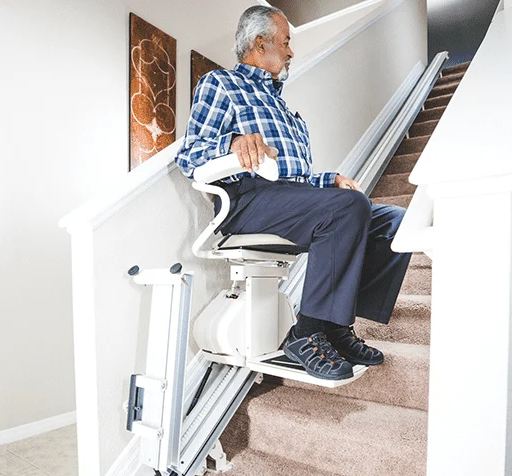
Improving home accessibility is a vital consideration for ensuring the safety and independence of all residents. It requires a thoughtful evaluation of the space to identify specific needs. Essential modifications, such as wider doorways and ramps, can significantly enhance mobility. Additionally, integrating technology can make daily tasks easier. Understanding these aspects is crucial for fostering an inclusive environment. What essential changes can transform a home into a truly accessible space?
Assessing Your Current Space for Accessibility Needs
When evaluating a home for accessibility, it is essential to recognize that each individual’s needs may vary significantly.
A thoughtful assessment of the home layout is crucial in identifying potential mobility challenges. This includes examining door widths, stair accessibility, and the flow of spaces.
See also: networthpathfinder
Essential Modifications for Improved Mobility
Numerous modifications can significantly enhance mobility within a home, creating a more inclusive environment for individuals with varying accessibility needs.
Installing wheelchair ramps allows for easier entry and exit, while strategically placed grab bars in bathrooms and hallways provide essential support.
These practical adjustments empower individuals, fostering freedom of movement and independence, ultimately transforming their living spaces into safer, more accessible sanctuaries.
Leveraging Technology for Enhanced Accessibility
How can technology transform the accessibility landscape for individuals with disabilities?
Smart home systems equipped with voice assistants empower users to control their environment effortlessly.
Adaptive devices enhance daily living, while remote monitoring offers peace of mind for caregivers.
Together, these innovations create a more inclusive space, allowing individuals to experience greater freedom and independence in their own homes, significantly improving their quality of life.
Creating a Supportive Environment for All Occupants
Creating a supportive environment for all occupants is essential, as it fosters inclusivity and enhances the overall well-being of everyone in the home.
Implementing universal design principles ensures that inclusive features, such as wider doorways and accessible kitchens, accommodate diverse needs.
Conclusion
In the quest for home accessibility, each thoughtful modification acts as a bridge, connecting individuals to their independence and dignity. By assessing spaces, implementing essential changes, and embracing technology, homes transform into sanctuaries of support and comfort. This journey, akin to cultivating a garden, nurtures not only the physical surroundings but also the spirit of all residents, fostering an inclusive atmosphere where everyone can flourish. Ultimately, these efforts weave a tapestry of safety and well-being for all.