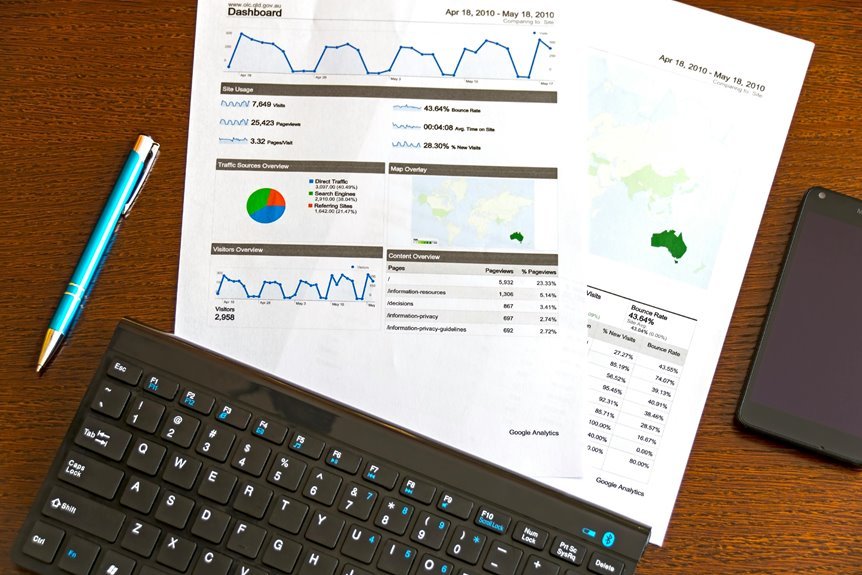
Evaluating source information for numerical identifiers such as 3270545335, 3247712533, and others is crucial for ensuring data integrity. A systematic assessment based on criteria like author credibility and content accuracy can illuminate the reliability of these sources. Researchers must employ various validation techniques to distinguish trustworthy information from potential misinformation. Understanding these methodologies invites a deeper exploration into the implications of data authenticity in decision-making processes across various domains.
Understanding the Importance of Source Evaluation
Why is source evaluation a critical component of research?
It ensures source credibility and information accuracy, which are essential for developing informed conclusions.
By rigorously assessing sources, researchers can distinguish between reliable data and misinformation.
This critical practice enables individuals to engage with content authentically, fostering a deeper understanding and empowering them to make well-informed decisions in their quest for knowledge.
Key Criteria for Assessing Source Reliability
Evaluating source reliability involves a systematic approach rooted in specific criteria that help determine the trustworthiness of information.
Key factors include source credibility, which encompasses the author’s qualifications and affiliations, and information accuracy, which assesses the verifiability of the content presented.
An objective analysis of these elements is crucial for discerning reliable sources in an era abundant with misinformation.
Techniques for Validating Numerical Data
Validating numerical data requires a methodical examination of its sources and methodologies. Techniques for achieving data verification include cross-referencing with established databases, assessing statistical methodologies, and reviewing the consistency of the data over time.
Ensuring numerical integrity involves scrutinizing data collection processes and identifying potential biases, ultimately fostering confidence in the accuracy and reliability of the data presented.
Tools and Resources for Effective Source Analysis
While various tools and resources exist to facilitate effective source analysis, selecting the appropriate ones is crucial for ensuring comprehensive evaluations.
Understanding different source types, such as primary versus secondary, aids in applying relevant evaluation methods.
Utilizing databases, checklists, and software can enhance the rigor of analyses, allowing for informed decisions that respect the audience’s desire for freedom and accuracy in information sourcing.
Conclusion
In the grand circus of data verification, where numbers prance like acrobats, a discerning audience must wield criteria like a tightrope walker’s pole. With author credibility as the ringmaster, and content accuracy the juggling act, researchers must resist the temptation to applaud every flashy claim. Instead, armed with tools and a skeptical eye, they can sift through the dazzling spectacle of misinformation to unearth the rare gem of reliable data—because in this show, not all that glitters is gold.