The right way to judge this contrast therapy explainer is by how it will feel, fit, and hold up after the first month. Heat performance, electrical planning, materials, maintenance, and actual user habits matter more than showroom language.
Cover image suggestion: A close-up infrared-style image of a hand or forearm with visible temperature gradient, transitioning from cool blue at the periphery to warm orange at the core, no face visible, conveying a research-medical aesthetic.
Meta description: Cold exposure causes vasoconstriction in surface blood vessels. The downstream effects on inflammation, recovery, and cardiovascular function are widely cited but variably supported by the data. Here is what the research actually shows.
Last February, a guy named Marco in Boise filled his backyard cold plunge to 48 degrees Fahrenheit, stepped in for his usual three minutes, and felt his chest tighten in a way it hadn’t before. His wife drove him to urgent care. Turns out his blood pressure spiked to 188/104 during the session. He’d been plunging daily for five months with no issues. “I thought I was bulletproof because I’d done it so many times,” he told a contractor friend of ours. Marco is 51 and had undiagnosed mild hypertension. He’s fine now. He still cold plunges, but at 58 degrees, for 90 seconds, after getting cleared by his cardiologist.
Marco’s story is a useful lens for everything that follows. Cold exposure does real, measurable things to your body. The physiology is well understood. The question of what that physiology means for your health, long-term, is where things get slippery.
What Happens to Your Blood Vessels in the First Ten Seconds
When skin temperature drops, peripheral blood vessels constrict. Fast. The mechanism runs through alpha-1 adrenergic receptors on vascular smooth muscle, which contract when norepinephrine hits them from sympathetic nerve endings. Within seconds of cold exposure, blood flow to your skin and extremities can drop by 50 to 80 percent. Blood gets routed inward to protect organ temperature.
This is basic mammalian thermoregulation, nothing exotic. The response is graded: mild cold, modest constriction; severe cold, dramatic constriction plus shivering, increased metabolic rate, the whole defensive cascade. In people who do this regularly, brown adipose tissue also activates, contributing to non-shivering thermogenesis. That’s the kernel of truth behind some metabolic claims, though how much BAT activation you actually get at residential plunge temperatures and typical two-to-five-minute durations is genuinely contested.
The Athletic Recovery Argument (and Its Complication)
The recovery use case goes like this: cold-induced vasoconstriction limits fluid leaking into damaged tissue and slows immune cell trafficking, which reduces the inflammatory response to exercise-induced muscle damage. Plausible on paper. Studied in dozens of randomized trials.
A 2017 meta-analysis in the Journal of Physiology pooled 99 studies. Subjective measures (how sore people felt, how recovered they perceived themselves) showed a small but reliable benefit. Objective performance measures (actual strength, power output, endurance on retest) showed a smaller, less consistent benefit. Markers of muscle damage like creatine kinase and myoglobin moved modestly.
Here’s the thing, though. A 2019 paper from the University of Queensland complicated the whole conversation. Researchers found that regular post-exercise cold immersion blunted training adaptations in resistance training subjects compared to controls who just sat on a couch. The interpretation: inflammation after a hard workout isn’t just damage, it’s part of the adaptation signal. Suppress it routinely and you may be leaving gains on the table.
The current professional consensus (National Strength and Conditioning Association and similar bodies) has landed in a pragmatic spot: cold immersion is useful when you need to perform again within hours, like between tournament games or multi-day competitions. Using it after every single training session is probably counterproductive for long-term strength development. Think of it like ibuprofen for soreness. Helpful in a pinch, not something you want as a daily habit if adaptation is the goal.
The Cardiovascular Picture Is More Serious Than Most Influencers Admit
This is where I think the wellness content ecosystem does the worst job.
Acute cold exposure raises blood pressure. Systolic blood pressure typically jumps 10 to 30 mmHg during a 2 to 5 minute cold immersion at 45 to 55 degrees Fahrenheit. That spike persists for 5 to 15 minutes after you get out, then settles back toward baseline. Heart rate can rise initially, drop mid-immersion (the “cold pressor reflex”), or do both in sequence.
For a healthy 35-year-old, this is well tolerated. For someone with uncontrolled hypertension, coronary artery disease, or congestive heart failure, it’s a different calculation entirely. The clinical literature documents cases of cardiac arrhythmias triggered by cold immersion in susceptible individuals. Marco got lucky.
The American Heart Association doesn’t have a formal position statement on home cold plunge use. The general medical guidance: if you have cardiovascular conditions, get clinician clearance before adopting a regular cold exposure protocol. Full stop.
Other contraindications worth naming: pregnancy (cold exposure causes uterine blood flow changes that aren’t well studied), and Raynaud’s syndrome, in which cold triggers exaggerated, prolonged vasoconstriction in the extremities. Raynaud’s and whole-body cold immersion is a hard no in most cases.
Does Alternating Hot and Cold Actually Do More?
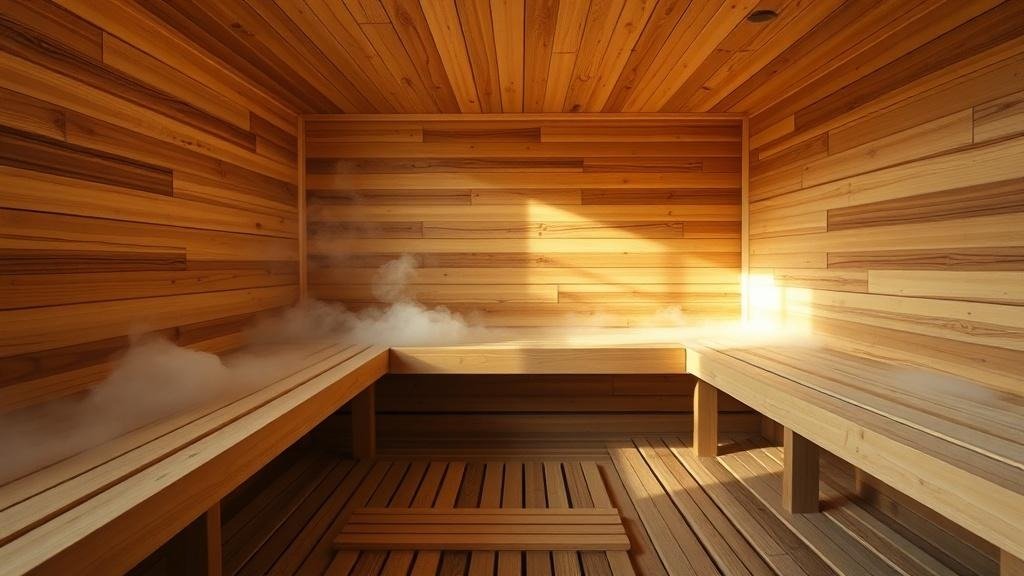
A common protocol pairs sauna with cold plunge: heat first to vasodilate, cold to vasoconstrict, repeat. The theory is that cycling between the two pumps fluid through tissues more effectively than either alone.
The evidence for this being superior to single-modality use is thinner than the enthusiasm suggests. A handful of studies show modest benefits for perceived recovery and possibly for delayed-onset muscle soreness, but effect sizes are small and comparison groups across studies are inconsistent.
The mechanistic argument makes sense. The clinical data just hasn’t caught up to it yet. The honest framing for anyone considering a backyard sauna-plus-plunge setup: contrast therapy is reasonable, low-risk for healthy adults, and may produce modest additive benefits. It is not the documented multiplier that some installation companies imply.
For homeowners pairing a sauna with a cold plunge in a backyard wellness installation, this contrast therapy explainer covers the safety screening and protocol staging that matters.
Safety considerations are also additive. If you need clearance for cold, you also need clearance for heat. And you definitely need clearance for cycling between the two.
Where the More Interesting Research Is Headed
The questions researchers are asking now are considerably more nuanced than “does cold immersion reduce soreness?”
Norepinephrine release during cold exposure has been linked to mood effects. Several small studies show transient elevation in self-reported alertness and mood after cold immersion. The mechanism may overlap with findings from cold-water swimming research in clinical depression populations. Small sample sizes, but the signal is interesting enough to keep following.
Brown adipose tissue activation in habitual cold-exposed humans is being studied as a possible metabolic intervention. Early work shows measurable BAT activation in regular cold-exposed adults, but the translation to meaningful weight or body composition outcomes hasn’t been convincingly demonstrated. The boring truth is that even if BAT activation increases your resting metabolic rate by 50 to 100 calories a day (which is optimistic), that’s a rounding error compared to diet and exercise.
Hormetic stress is being explored as a unifying frame connecting cold exposure, sauna use, and exercise: the idea that controlled, mild stressors trigger adaptive responses that increase resilience. It’s an elegant concept. The evidence base is still being built.
Where this falls apart is the marketing. “Boosts metabolism.” “Burns fat.” “Adds years to your life.” Cold exposure does measurable things to acute physiology and probably contributes modestly to recovery and stress resilience over time. The longevity and weight loss claims are running well ahead of the data.
Practical Notes for Home Plunge Owners
Start conservative. Begin around 60 degrees Fahrenheit with sessions of 1 to 2 minutes. Most documented benefits appear at 50 to 55 degrees for 2 to 5 minutes, but there is no evidence that going colder or longer produces proportionally better outcomes. For some people, it produces worse ones.
If you train seriously, be selective. The Queensland data is worth respecting. Save cold immersion for rest days or after lower-intensity sessions. Don’t make it a reflex after every heavy squat day.
Avoid cold exposure entirely if you have cardiovascular conditions, uncontrolled hypertension, pregnancy, or Raynaud’s, unless a clinician has specifically cleared you. The contraindication list is real.
If you want the contrast protocol: sauna first, then plunge, then 5 to 10 minutes of quiet rewarming. Widely used, reasonably safe for healthy adults. Not a substitute for medical screening.
The Actual State of Affairs
Vasoconstriction from cold exposure is a real, well-characterized physiological response with measurable downstream effects on inflammation, recovery, and cardiovascular function. The effect sizes are real but moderate. The safety profile depends heavily on the individual. And the marketing claims, particularly around metabolism and longevity, regularly outpace the evidence.
For healthy adults, regular controlled cold exposure is reasonable and probably modestly beneficial. For adults with cardiovascular or other relevant conditions, clinician clearance is not optional. This category is mature enough to take seriously and young enough that overclaiming is still the norm, not the exception. Read the actual studies. Start slow. And if your chest tightens, get out.
See also: Ontweak. Com – Find Optimal Tech Solutions at Ontweak
Frequently Asked Questions
How cold does the water need to be for vasoconstriction to occur? Vasoconstriction begins with any noticeable drop in skin temperature. Meaningful constriction, the kind studied in cold immersion research, typically occurs at water temperatures of 50 to 59 degrees Fahrenheit. You don’t need to go to 38 degrees to get a physiological response.
Can cold plunging actually help with weight loss? Brown adipose tissue activation from regular cold exposure may slightly increase resting metabolic rate, but the magnitude (perhaps 50 to 100 extra calories per day under optimistic assumptions) is small relative to dietary and exercise interventions. No convincing clinical trial has demonstrated meaningful weight loss from cold immersion alone.
How long should a cold plunge session last? Most of the research showing benefits uses sessions of 2 to 5 minutes at 50 to 55 degrees Fahrenheit. Longer sessions haven’t been shown to produce proportionally better results and carry higher risk, especially for people with undiagnosed cardiovascular conditions.
Is contrast therapy (sauna then cold plunge) better than cold plunge alone? A handful of studies suggest modest additive benefits for perceived recovery and soreness reduction. The evidence for contrast therapy being meaningfully superior to cold immersion alone is limited. It’s reasonable, not proven.
Who should avoid cold plunging? People with uncontrolled hypertension, coronary artery disease, congestive heart failure, Raynaud’s syndrome, or who are pregnant should not use cold immersion without explicit clinician clearance. Cold immersion raises blood pressure acutely and can trigger arrhythmias in susceptible individuals.
Does cold exposure after every workout hurt muscle gains? A 2019 University of Queensland study showed that routine post-resistance-training cold immersion blunted training adaptations compared to passive recovery. The current professional consensus recommends selective use rather than daily post-workout immersion.
Is cold exposure safe for older adults? Age alone is not a contraindication, but the prevalence of cardiovascular conditions increases with age. Older adults should get screened before starting a regular cold exposure protocol, and should begin with milder temperatures and shorter durations.